Good morning world,
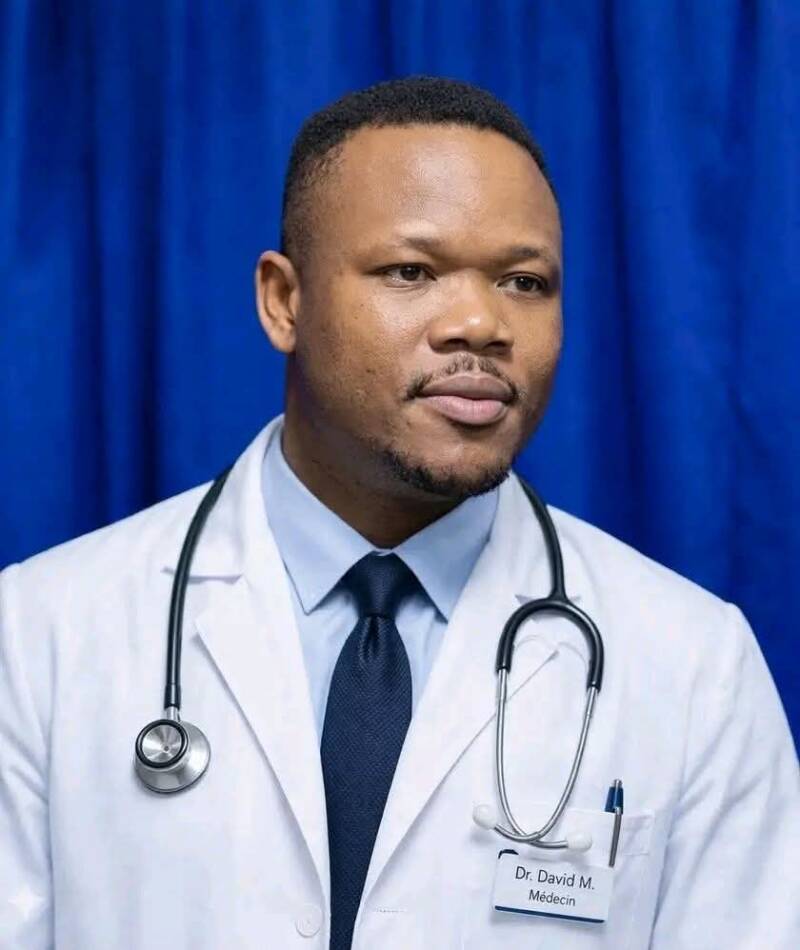
A man beats a pregnant woman… films it… and is then given a platform to defend himself.
What is his defence?
He claims that after beating her, she “cooperated” and allowed him to finish the procedure. According to him, he saved her by using violence first because she wasn’t complying.
Let that sink in.
This is exactly why I keep saying that DR Congo needs national therapy and deep mental health intervention.
1. The woman is not the problem — she is traumatised.
If violence is what made her “cooperate,” then we are not looking at a difficult patient, we are looking at a broken system.
She had just given birth. Her body is in shock. Her hormones are unstable. She is vulnerable. If she refused treatment, could it be fear? Could it be discomfort with a male doctor? Could it be past trauma?
In many developed systems, like here in the UK, patient consent, dignity, and emotional safety matter. But in DR Congo, these options are often not available.
2. The doctor represents a deeper societal issue — lack of empathy and normalised violence.
When violence becomes your first solution, it means empathy was never developed.
In DR Congo, violence is not just an act — it is a culture that has been normalised over generations. Many women grow up watching their mothers being beaten. Many experience it themselves.
So what happens?
Fear becomes conditioning. Silence becomes survival. A man raising his voice is enough to trigger panic. A raised hand is enough to control behaviour and we call that “cooperation.”
3. Saving her life does not erase the trauma inflicted.
Yes, the bleeding may have been stopped.
But what about her mind? Her dignity? Her trust? She will carry that moment for the rest of her life.
The most painful part?
In a system where this behaviour is normalised, there is little to no mental health support to help her heal.
So I ask…
• What was said to her before she refused?
• What fear was she experiencing?
• Why is violence still seen as a solution?
• Why can’t people see what is so clear?
Until we address the mental, emotional, and spiritual brokenness within systems and societies, we will continue to mistake abuse for authority… and trauma for cooperation.
Add comment
Comments